

The Origin of Maroquinerie: Fes and the Birth of Fine Leathercraft
The truth has been written on every boutique door for decades. We simply forgot how to read it.
There is a word you have seen a thousand times without noticing what it says. Maroquinerie. It adorns the doors of fine leather boutiques from Paris to Milan. It sounds elegantly French. It looks like it belongs to Europe. It does not.
Maroquinerie, which means luxury leatherwork, translates to "Moroccan Work". The etymology is not hidden in archives; it is displayed in plain sight, confessing the origin that the industry has quietly obscured.
"Etymology is archaeology. It preserves what history has buried." - Antoine Meillet
The craft that many currently consider a European heritage was forged in the labyrinthine medina of Fes. To understand how, we must enter the world that made the word true.

For over 1,200 years, Fes served as the imperial capital of Morocco. Three forces converged there to elevate it to the world capital of luxury leathercraft, cultivating the qualities that define the Fassi Master Artisan: royal demand, unparalleled dexterity, and geometric mastery.
Royal Demand
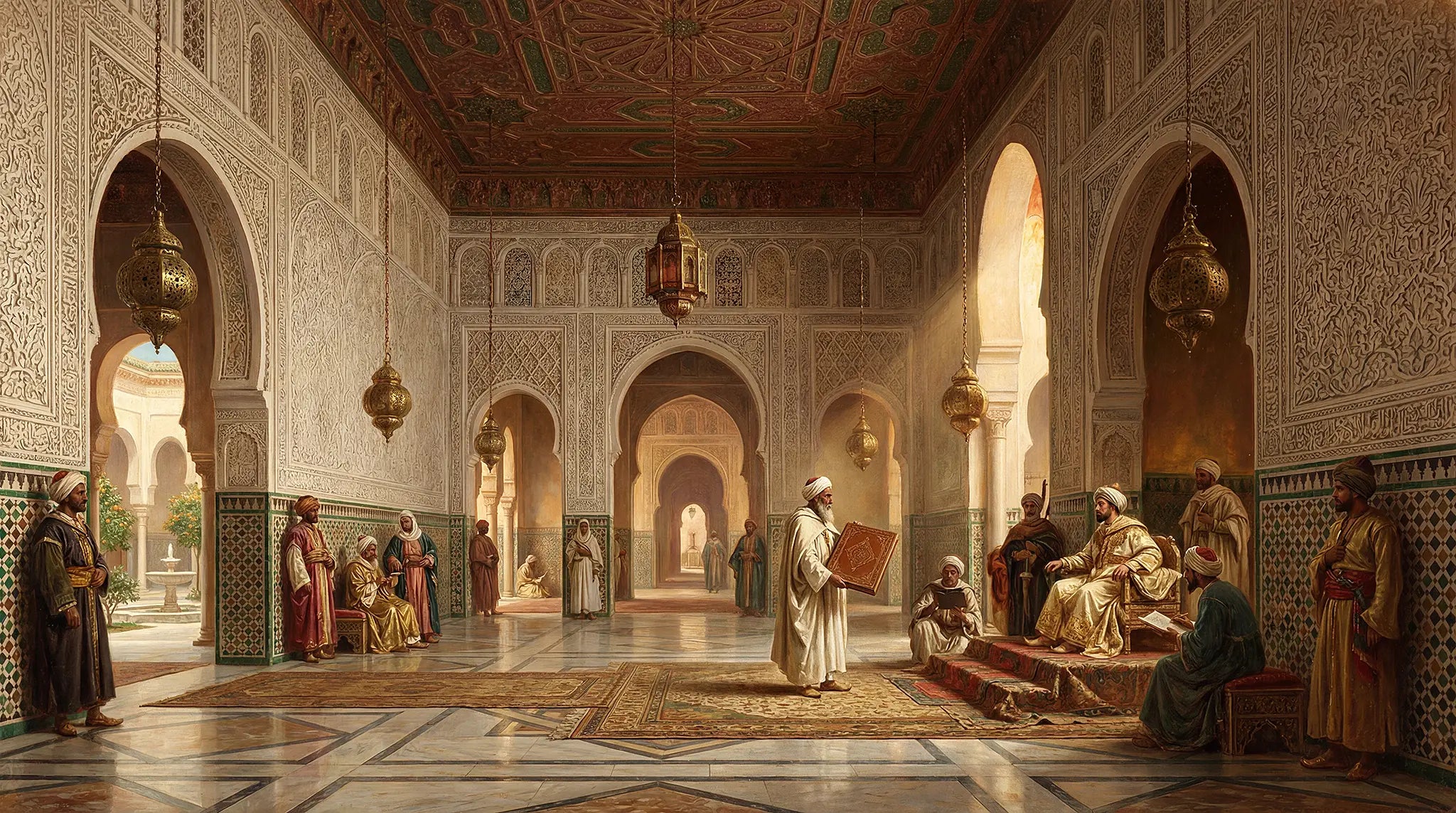
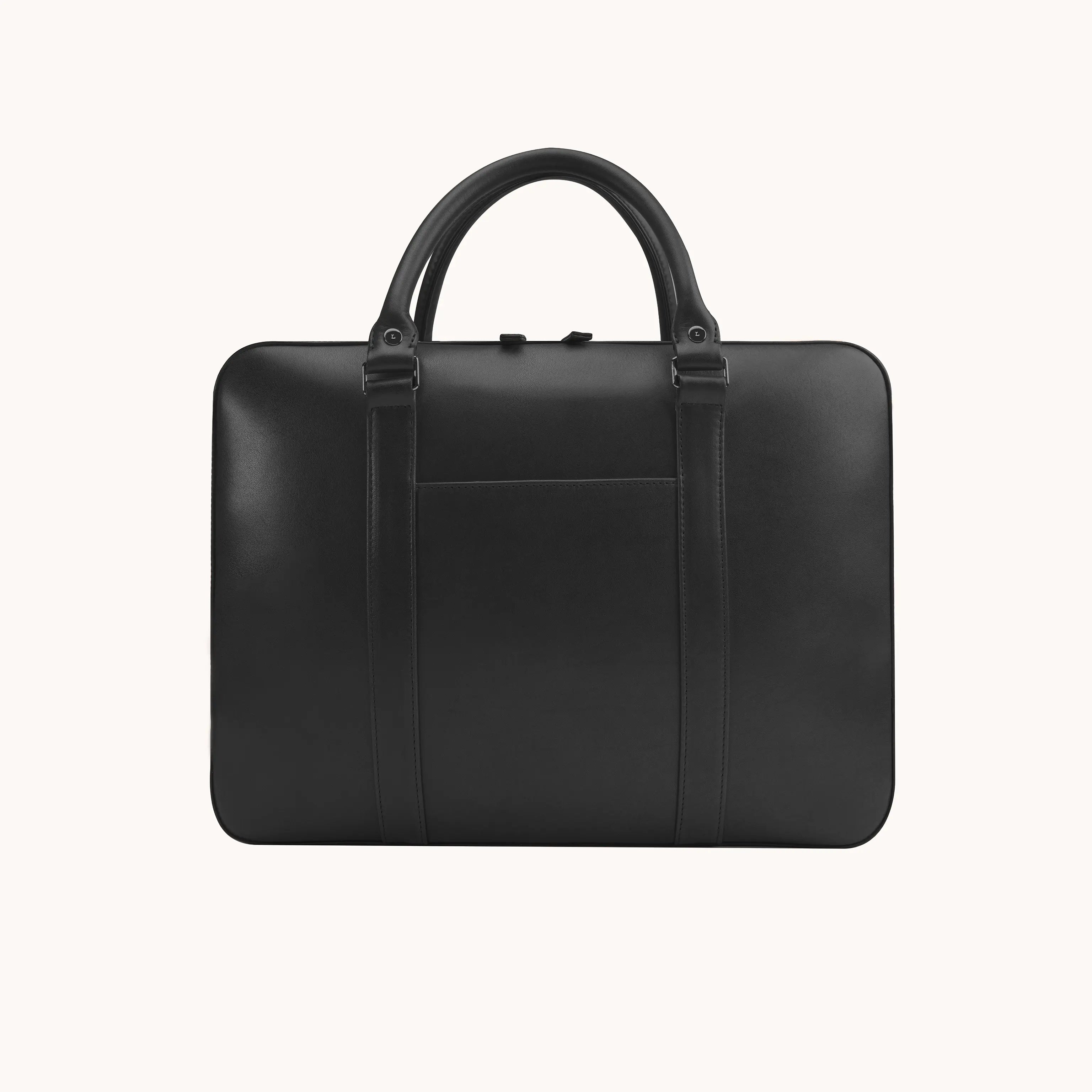
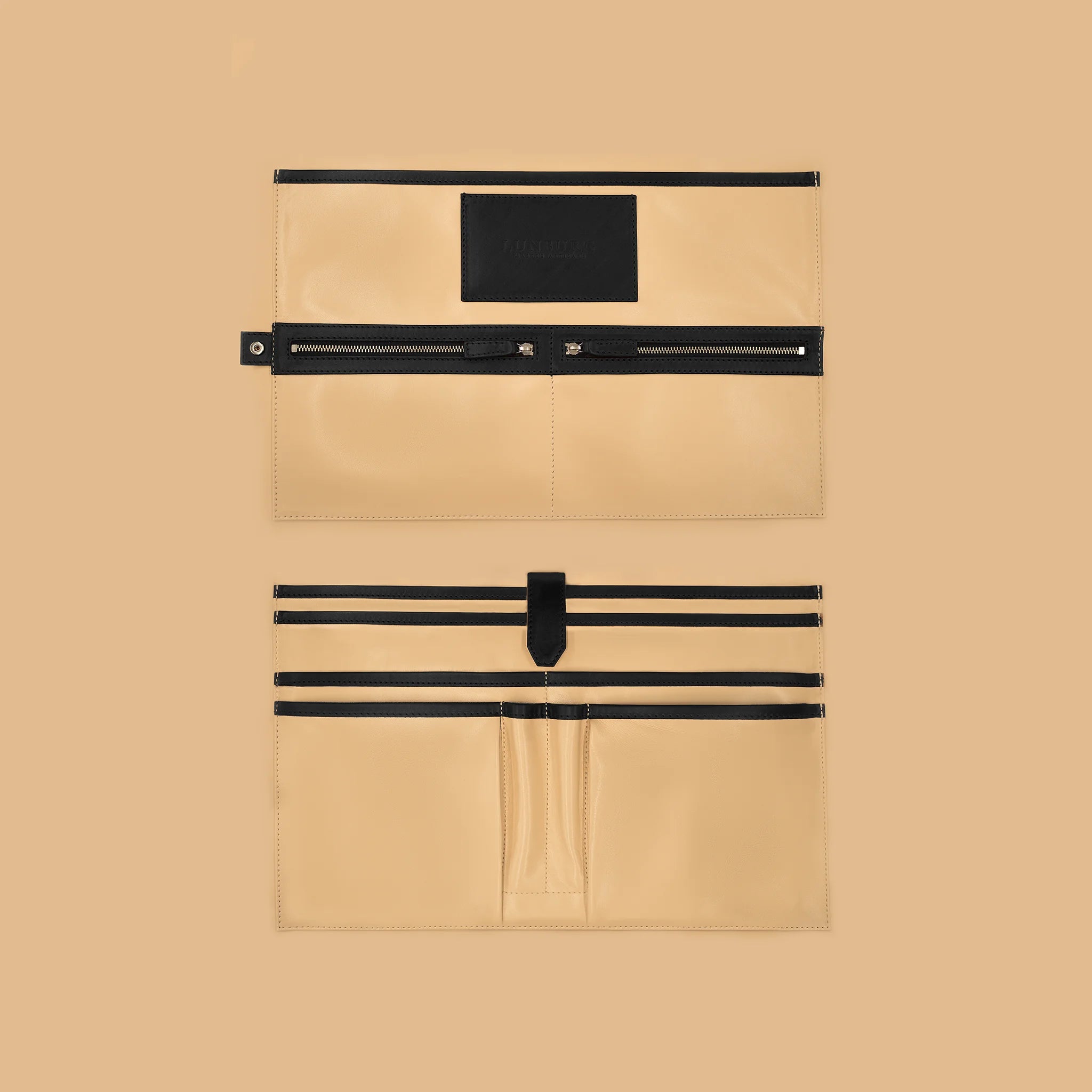
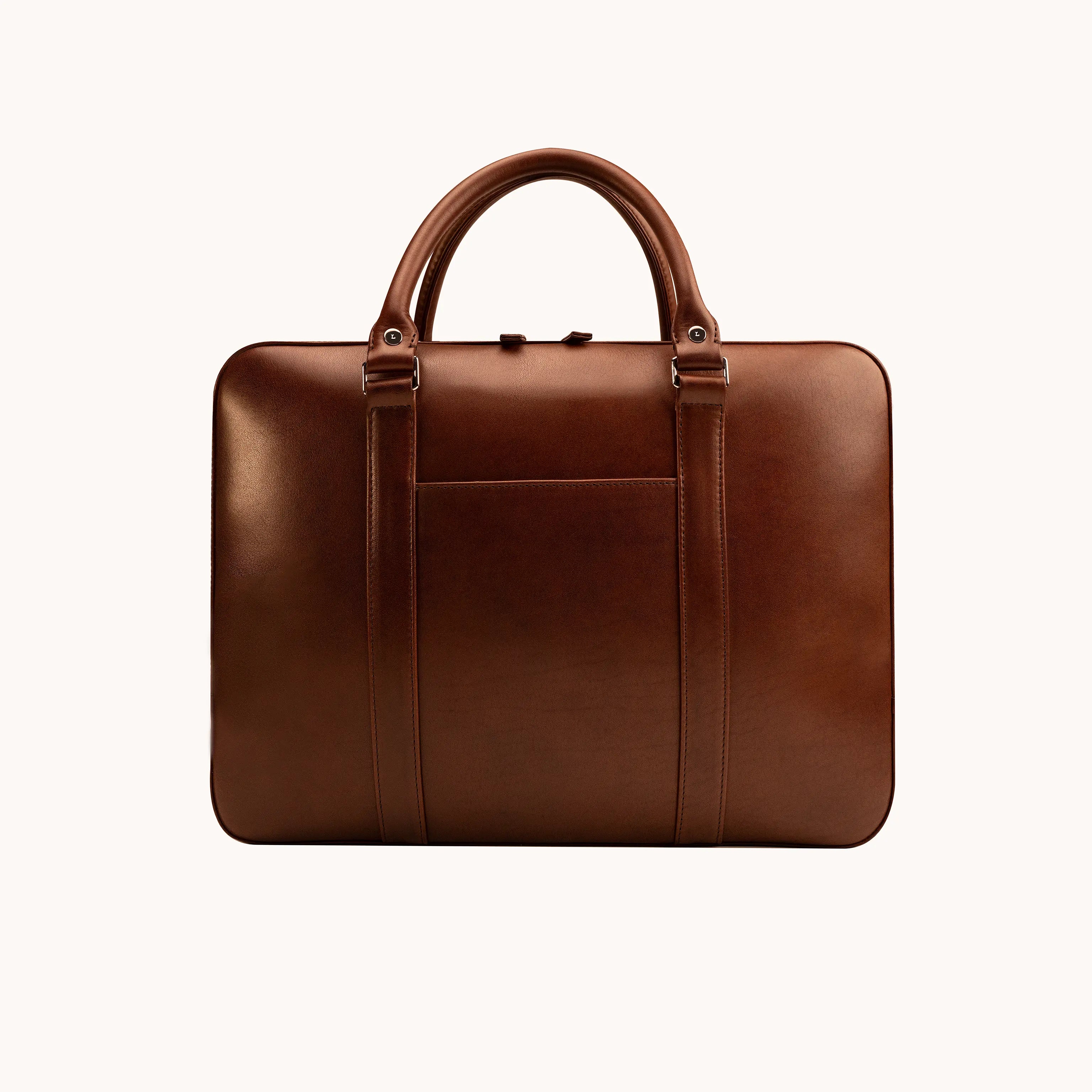
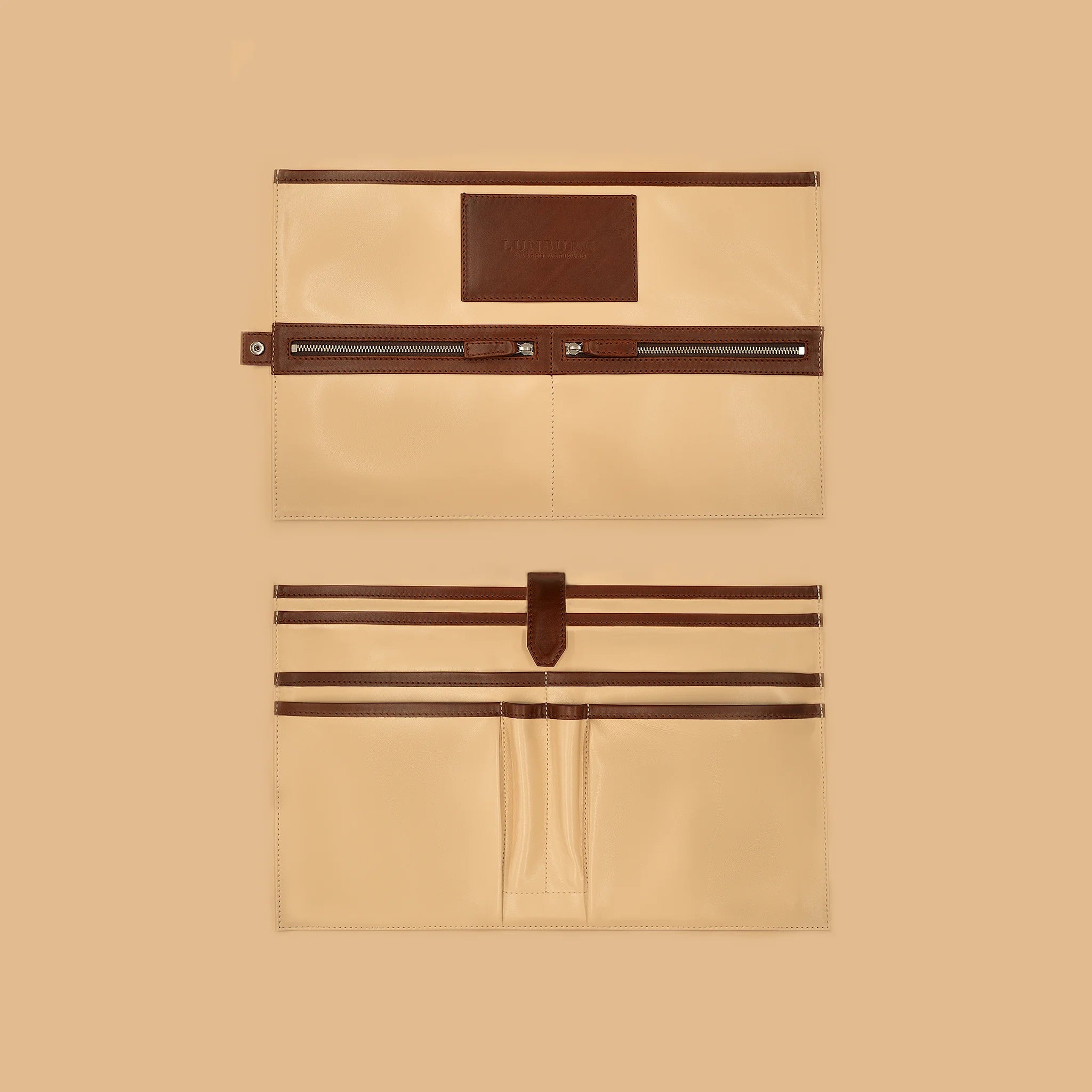
For twelve centuries, successive dynasties used Fes as their anvil of creativity. The leather goods commissioned for royal courts, bindings for sacred manuscripts, cases for scientific instruments, folios for scholars, had to meet the same uncompromising standard as palace architecture. An artisan who failed brought shame upon his family, whose very name was often forged from the craft itself : Debbagh (tanner), Sarrāj (saddler), Kharraz (Leather stitcher). This pressure, sustained across generations, forged a culture where only perfection survived.

Unparalleled Dexterity
When Granada fell in 1492, master leatherworkers fled the collapse of Al-Andalus. Fes became their sanctuary, inheriting 900 years of Andalusian refinement. These artisans brought hand-skills of extraordinary precision: the ability to skive leather to fractions of a millimeter, to fold and stitch with the accuracy of surgery. The dexterity for which Fassi ma'alems are renowned traces directly to this inheritance.

Geometric Mastery.
The guild system of Fes, known as the ḥanṭa, was integrated with Al-Qarawiyyin, the world's oldest university, founded in 859 CE. Craft was elevated to applied mathematics. The geometric training that enables an artisan to tessellate a wall with perfect zellij is the same training that enables him to calculate the complex folds of a leather edge.
This ecosystem produced leathercraft of a quality unmatched anywhere on earth. But what survives today?
The ma'alems who still carry this knowledge are few. The techniques they preserve exist almost nowhere else.

Rempliage (folded edge)

Industrial edge (painted/sealed)
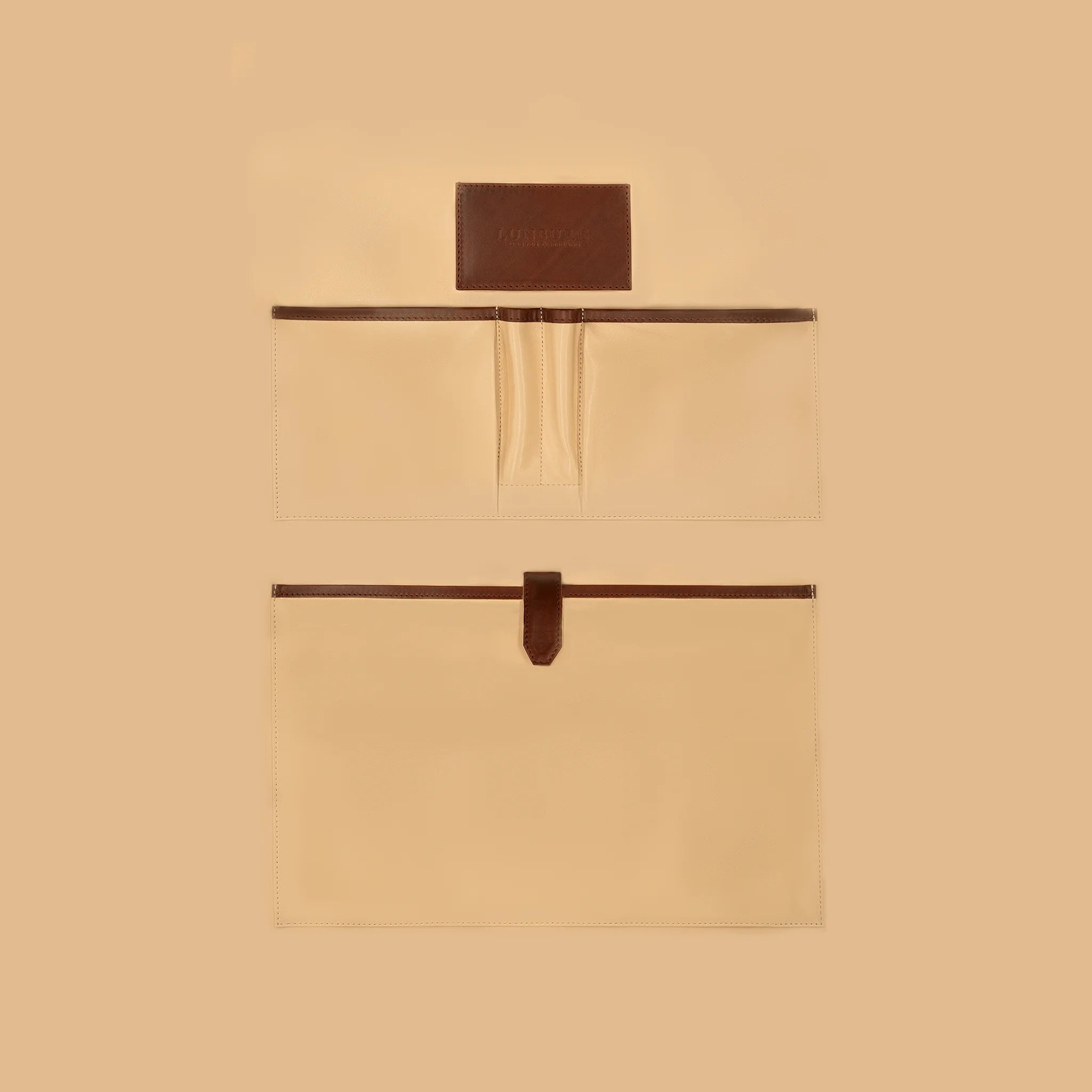
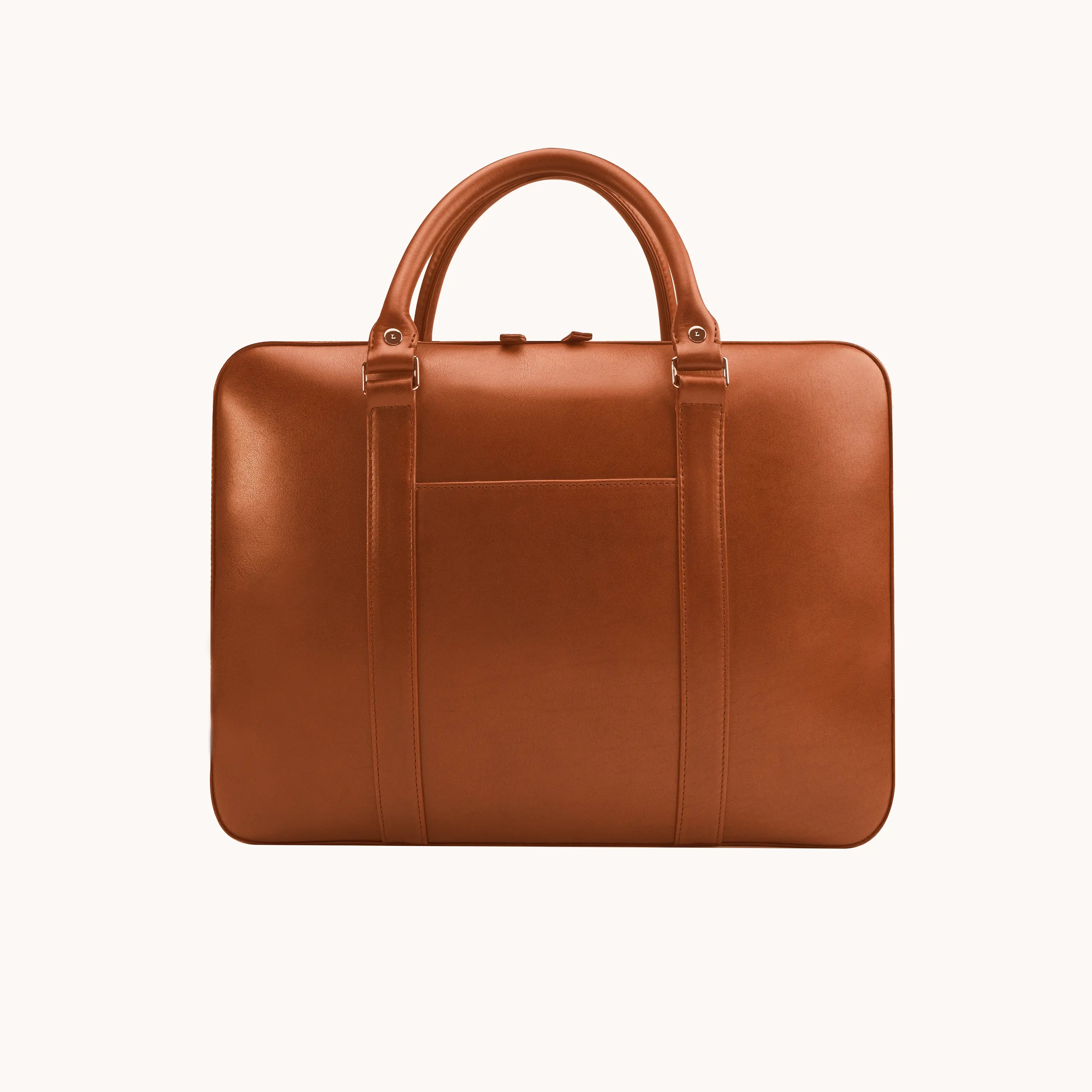
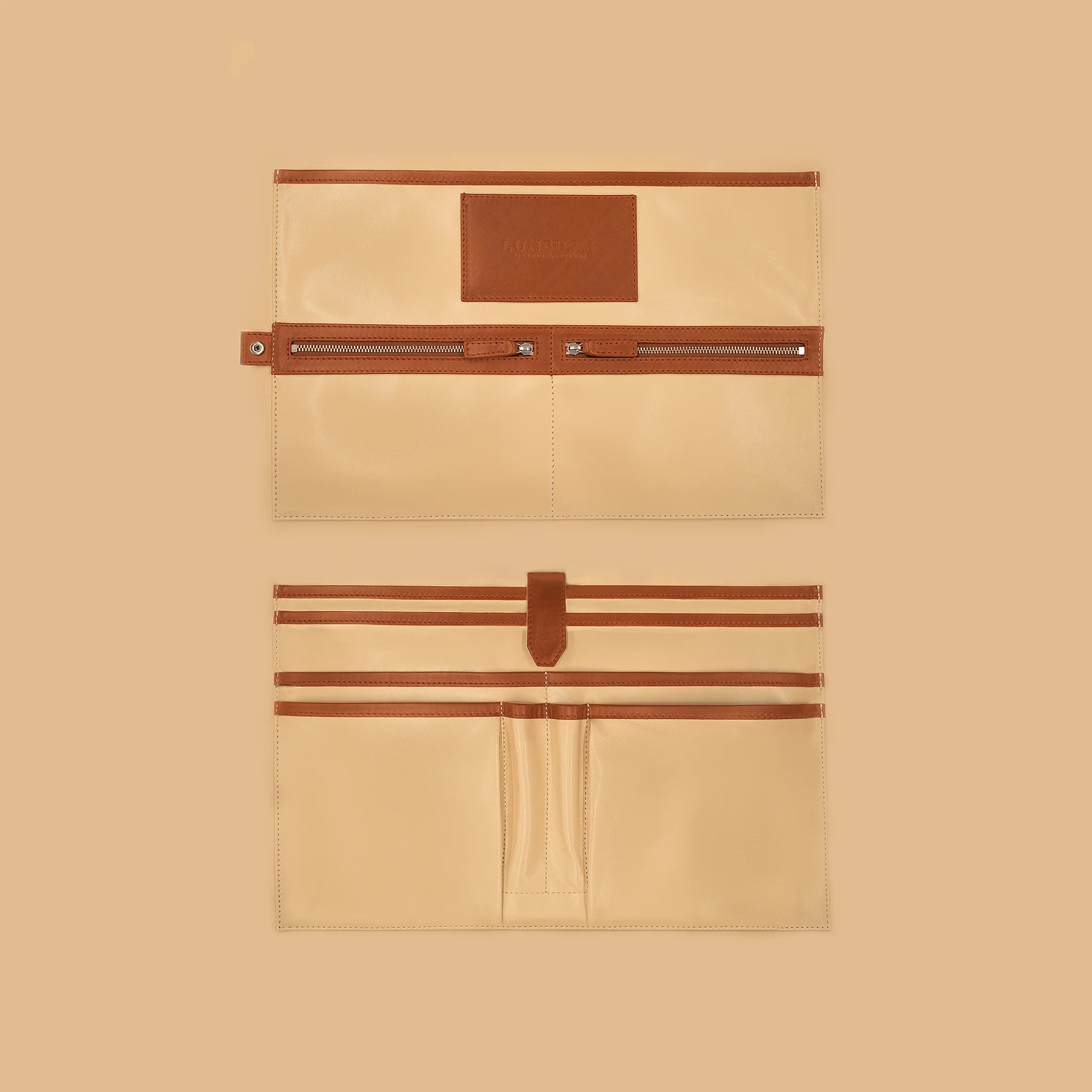
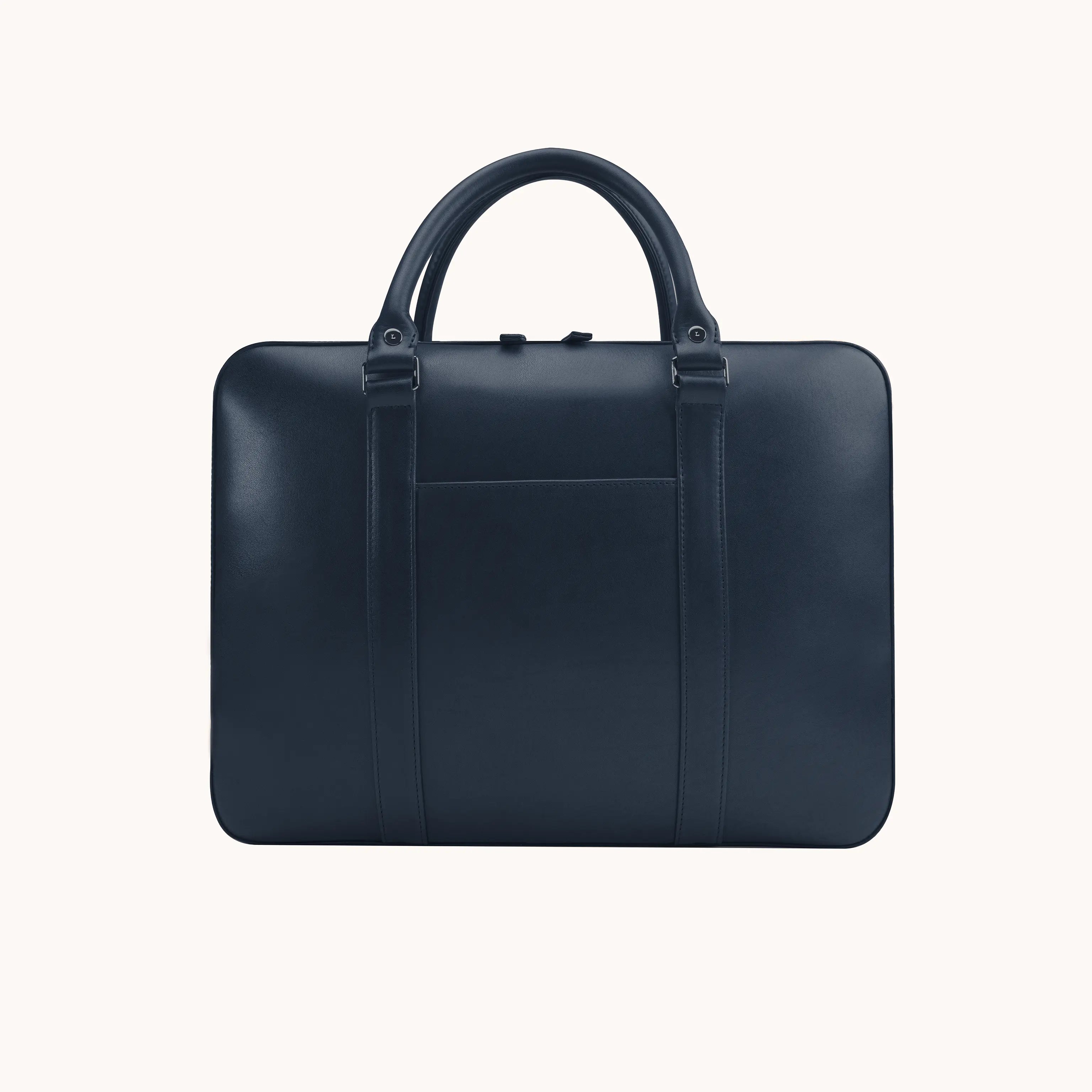
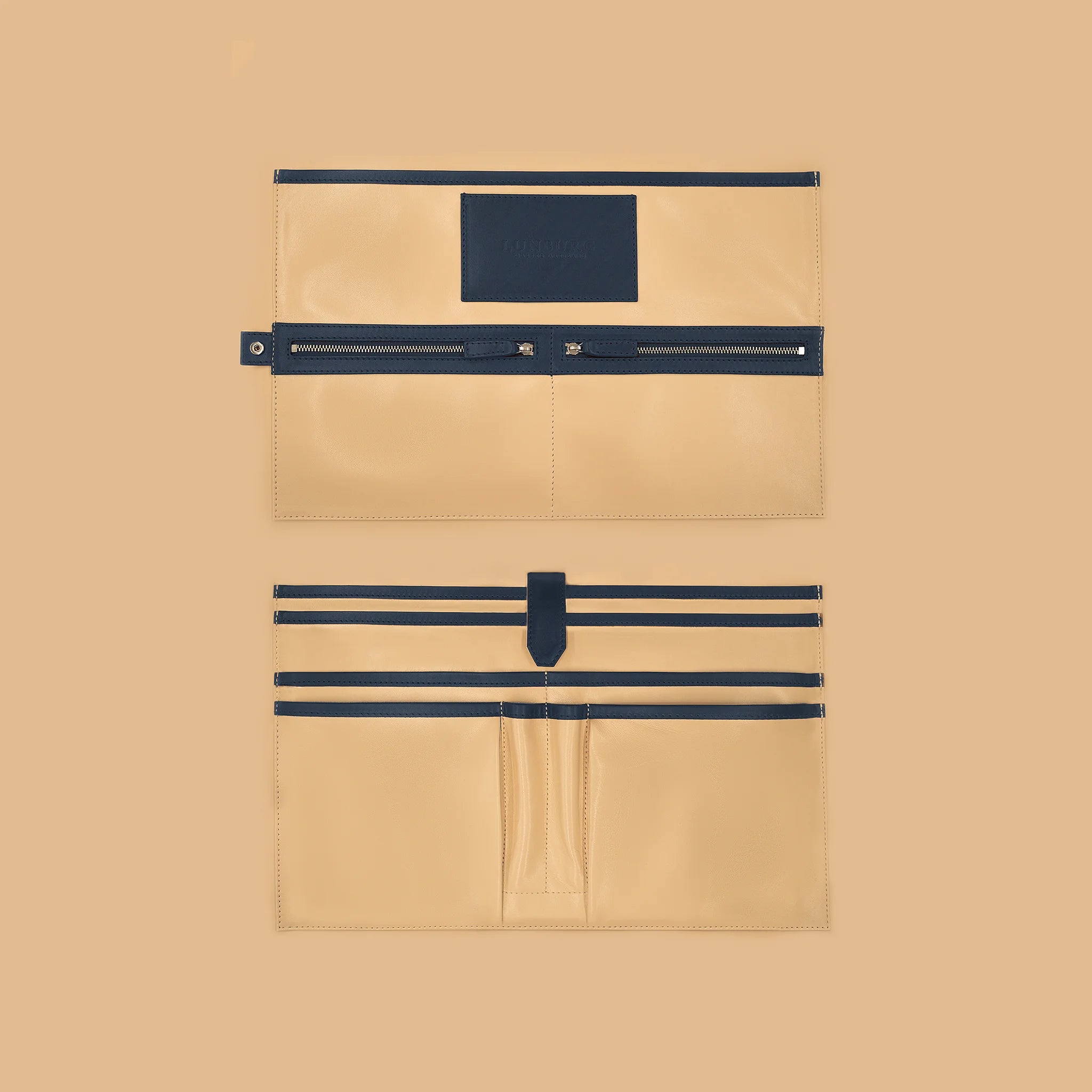
Consider Rempliage: the architectural art of the folded edge. Where industrial methods seal raw leather with paint that eventually cracks, Rempliage folds the leather back upon itself, creating a seamless transition that does not degrade but patinates. It requires geometric precision and extraordinary dexterity; the artisan must calculate angles and thicknesses to fractions of a millimeter.
This technique was perfected in Fes. Almost no atelier outside this city can execute it at scale. Without the masters who carry this formation, Rempliage will end.
This is not Morocco's burden to carry alone. Fassi Haute Maroquinerie is a global inheritance, forged over twelve centuries, and it requires our collective stewardship.
To know this history is to carry responsibility.
"The question is no longer whether Fes deserves preservation. The question is whether we will act before it is too late." - Amien Marghich