

Saddler or Leather Goods Maker: What Is the Difference?
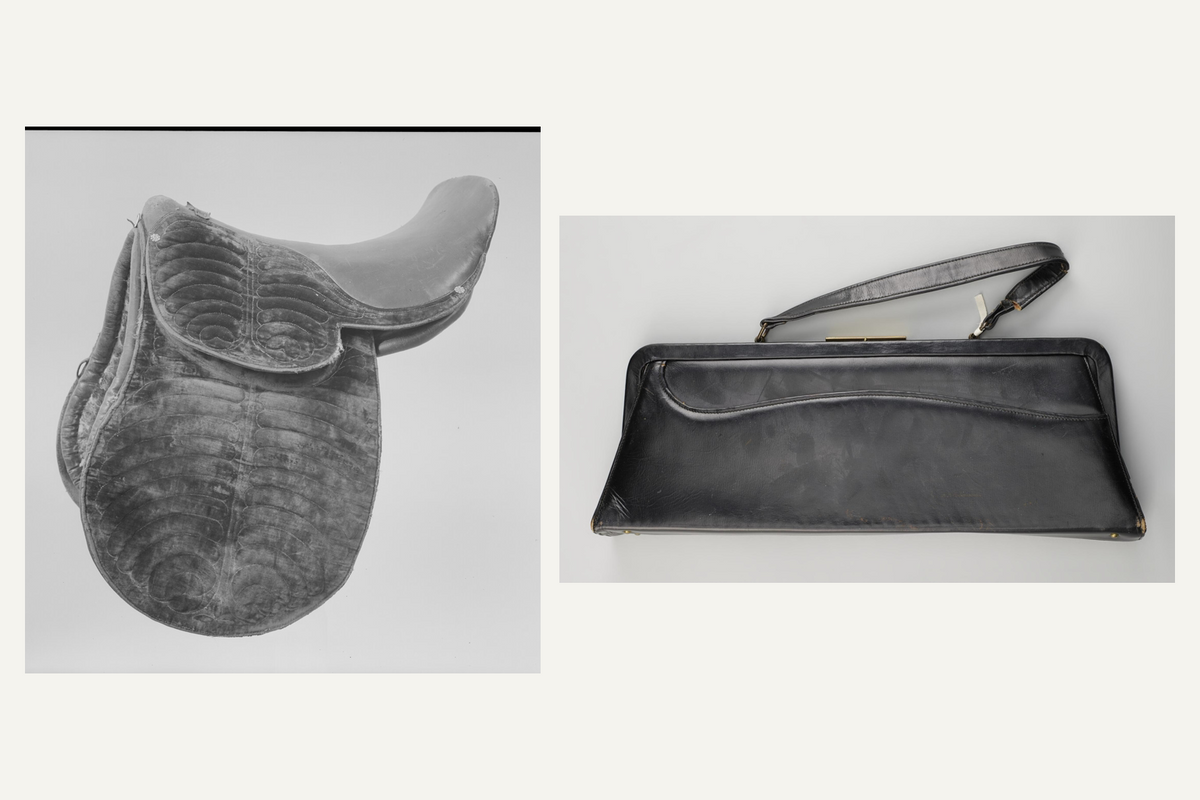
Picture a leather handbag beside a riding saddle. Each suggests a different workshop, yet the French names for their makers meet in a third title: sellier-maroquinier. In French careers guidance, this maker produces pieces such as wallets, handbags and belts, with sewing by hand or machine. The difference between a saddler and a leather goods maker is therefore best understood through the objects they make and their specialisms.
For someone choosing an atelier, or considering a life at the workbench, those names deserve a closer look. Begin with the object, then follow the work that brings it into being.
What is the difference between a saddler and a leather goods maker?
In the French trade descriptions, a saddler specialises in work such as saddles, covered objects or vehicle interiors, while leather goods making also encompasses personal pieces such as handbags, wallets and belts. The two fields overlap in the sellier-maroquinier, whose work includes those smaller leather goods.
The French careers agency Onisep distinguishes four branches of saddlery: sellier harnacheur, sellier bourrelier, sellier garnisseur or carrossier, and sellier maroquinier. Keeping the full title in view makes the distinction clearer. Read the second word with as much attention as the first; it tells you which branch of the craft is being described.
For a bag commission, give the maker room to describe their particular work. A finished handbag, a belt and a seat covering offer more revealing starting points than a title alone. Set your own design beside those examples and consider where the workmanship you admire meets the object you have in mind.
What does each craftsperson make?
The four branches of French saddlery cover equestrian equipment, tarpaulins and awnings, vehicle interiors, and personal leather goods. A sellier harnacheur makes saddles and harness. A sellier bourrelier works on tarpaulins and awnings, while a sellier garnisseur, also called a carrossier, works on car, boat and aircraft interiors. The sellier maroquinier makes objects including wallets, handbags and belts, by hand or in small series.

These examples give the word sellerie a wider reach than the riding saddle that first comes to mind. Imagine placing the objects alongside one another: a harness, an upholstered seat and a wallet. Let that variety guide your reading of an atelier's description, particularly when a French title appears in an English conversation.
Related craft names also appear separately in France's 2015 list of craft trades, including maroquinier, malletier, gainier, sellier-maroquinier and sellier-harnacheur. For a commission, begin with the piece you want to make, then explore the maker's experience with that form.
How do stitching, edges and leather thickness compare?
Onisep describes both hand and machine sewing in leather goods making and in the work of the sellier-maroquinier. Its account of leather goods making follows a sketch into a pattern and prototype, then cutting by hand or press knife, thinning, assembly, fittings and finishing. Quality checks accompany the stages.
An edge offers a lovely place to slow down and look. In Lunburg's account of rempliage, or folded-edge construction, handwork includes skiving, folding and hammering, with layers shaped on wooden lasts. The atelier describes skiving to a tolerance of 0.1 mm. That figure concerns the precision of the thinning operation; it is not a thickness prescribed for every piece of leather.

Explore the folded edge through the fold itself, the corners and the outline it gives the piece. For your own design, consider thickness at a pocket opening, around a closure and where layers meet. Resist choosing a thickness simply to match a trade name. Let the intended form lead the discussion, with the prototype in hand.
Where do the French words come from?
Sellier comes from selle, meaning saddle, while maroquinerie carries the name of Morocco. The French historical dictionary records sellier in 1260, in Étienne Boileau's Livre des métiers.
The word maroquinerie appears in 1636 for the craft and, from 1933, for a leather goods shop. There is something pleasing in that movement from a name to the work associated with it, and eventually to the place where finished objects are encountered.
Read those histories as an introduction to the vocabulary. When choosing a maker today, return to the actual piece: the proportions of a bag, the feel of a folded border, the way you want a strap to sit in the hand. The older words offer a sense of continuity; the commission gives them a particular purpose.
How do you train as a saddler or leather goods maker?
The French routes listed by Onisep include the CAP in maroquinerie, sellerie générale or sellier harnacheur, alongside vocational baccalaureate routes in leather trades. The CAP courses are described as two-year routes; the bac pro métiers du cuir routes as three-year courses, with options in maroquinerie or sellerie garnissage. Onisep also names the professional title TP sellier garnisseur.
For someone drawn to the craft, start by imagining the objects you would most like to learn to make. Spend time with the distinction between a handbag, equestrian equipment and an upholstered interior. Then read the course description through that interest, paying attention to the work you would practise.
Bring that curiosity to a workshop visit. Follow one piece from its sketch to its finished form, and linger over an operation that interests you. A carefully turned corner or a neatly assembled pocket is a more inviting starting point for a conversation about learning than a title considered in isolation.
What do handwork and machine work describe?
Handwork and machine work describe particular operations within making: Onisep's leather goods sequence includes cutting by hand or press knife and assembly by hand or machine sewing. Read an account of craftsmanship at that level of detail. Which operation is being described, and what does it contribute to the piece?
Lunburg's folded-edge account describes handwork in skiving, folding, hammering and shaping layers on wooden lasts. Its bespoke inscription process, meanwhile, uses a machined brass die applied by heat embossing. These are descriptions of specific work, each with a place in the account of the finished object.
When considering the difference between a saddler and a leather goods maker, look beyond a single word such as “handmade”. Take time over the construction you can see and the maker's explanation of what went into it. For a commission, express the result you want in tangible terms: a softly turned edge, a particular pocket arrangement or discreet lettering inside the cover.
Saddler and leather goods maker: a comparison
The most useful comparison is by specialism and object, with the sellier-maroquinier showing where personal leather goods and saddlery meet.
| French trade name | Work described in the sources |
|---|---|
| Maroquinier | The making sequence includes patterns, prototypes, cutting, thinning, assembly, fittings and finishing. |
| Sellier harnacheur | This branch makes saddles and harness. |
| Sellier bourrelier | This branch works on tarpaulins and awnings. |
| Sellier garnisseur or carrossier | This branch works on car, boat and aircraft interiors. |
| Sellier maroquinier | This branch makes wallets, handbags and belts, with sewing by hand or machine. |
Use these names to open a conversation about the piece you want. For a brand developing an original design, our guide to choosing a leather goods manufacturer takes that conversation further. Bring the object back to the centre: its shape, its purpose and the details you hope someone will enjoy each time they use it.
Read more
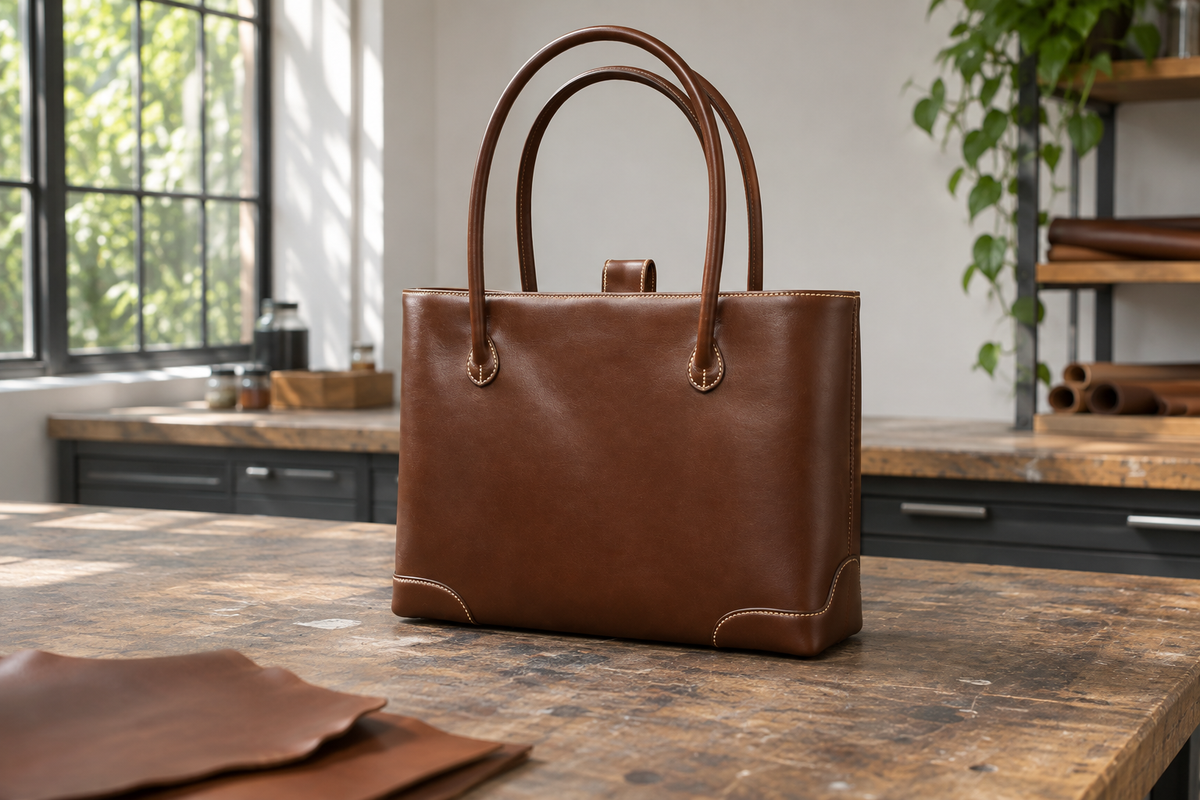
How to Start Your Own Bag Brand: From First Sketch to First Production Run
Explore how to start your own bag brand, from choosing a first design and leather to approving a prototype and planning production.
Read more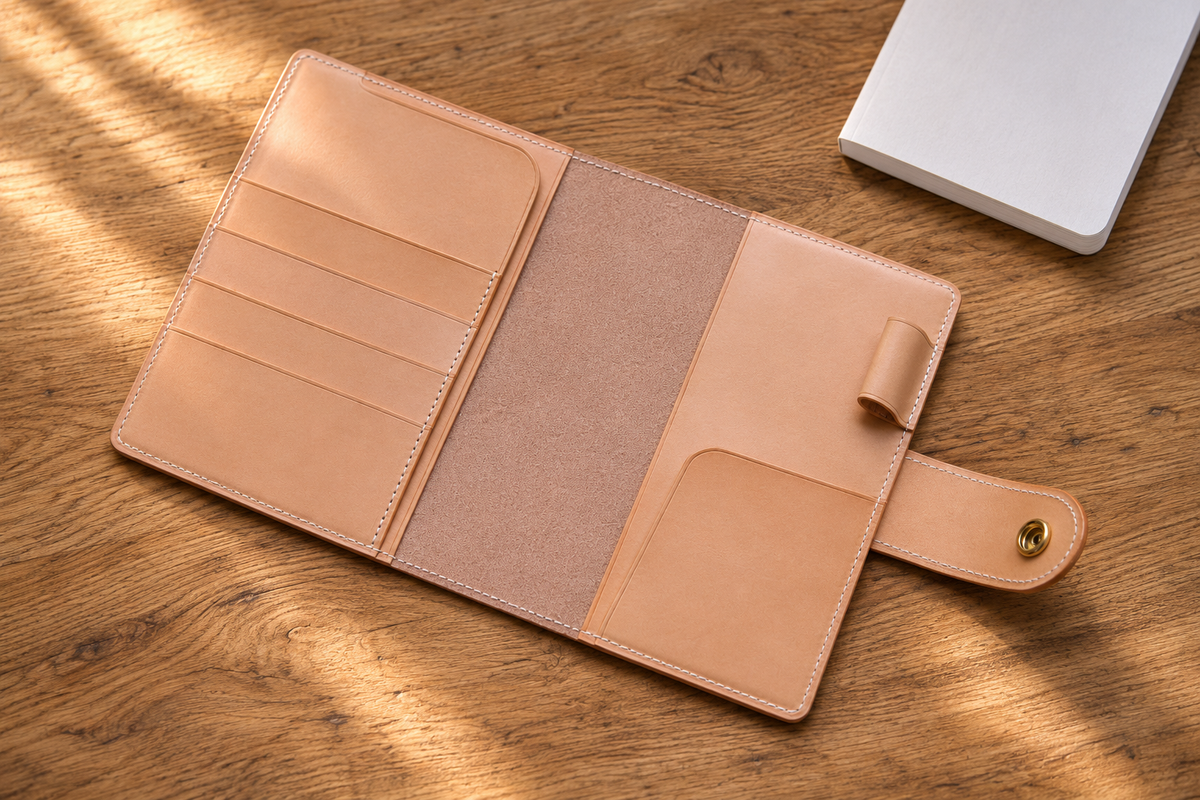
Leather Product Design: From Concept to Production
Develop a leather product from its first sketch to an approved prototype, with guidance on patterns, materials, production and design ownership.
Read moreDevelop your next leather product
Bring an idea, sketch, sample or technical file. Lunburg Atelier Services supports product development, material selection, prototyping and production, according to the stages your project needs.
Explore Atelier Services