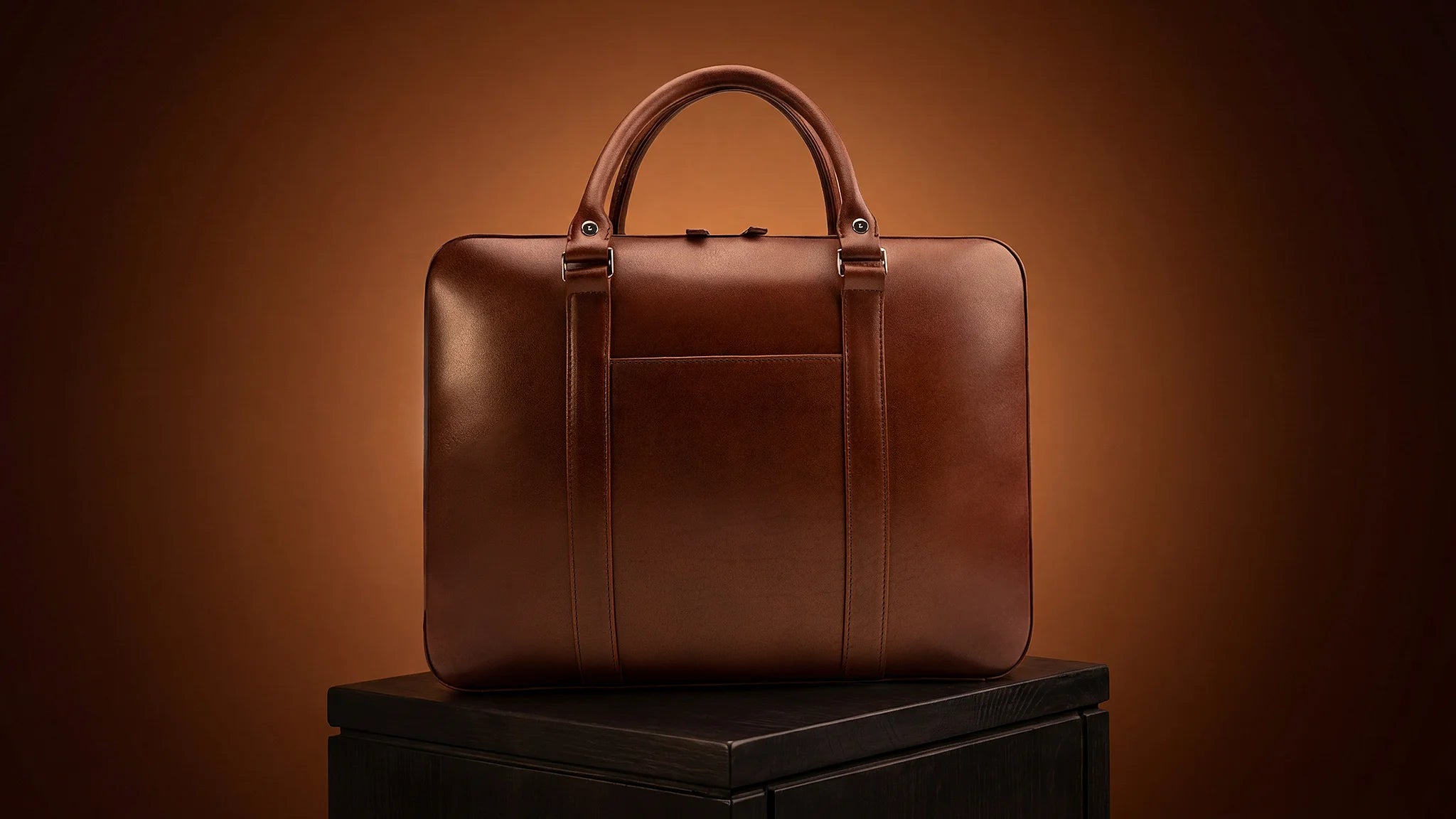

Guide: How to Care for Perpetual Leather
Perpetual Leather is built to get better with age, not to wear out.
The way you care for it comes straight from the way it is made. So we will start with the material. Once you understand it, everything about caring for it makes sense.
Part one: how Perpetual Leather works
There is nothing between you and the leather
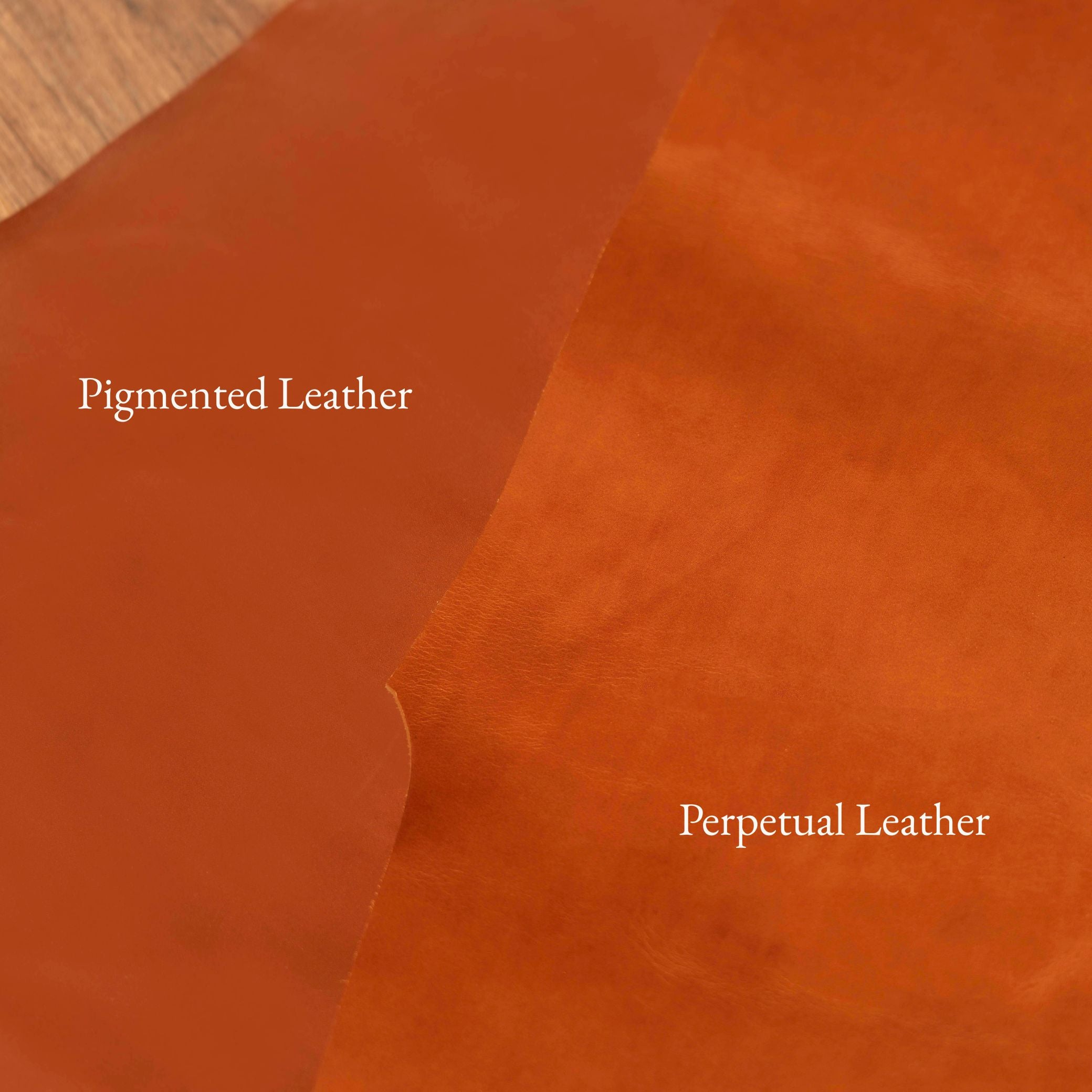
Most leather on the market is pigmented. An opaque coloured layer is painted over the top, and it hides the real leather completely. Your eye never meets the hide itself.
Once the leather is hidden, the material itself can no longer be read. There is nothing left to see or to appreciate. The consequence reaches into care as well:
- Every cleaner and conditioner you apply meets only the pigment layer on top.
- None of it reaches the leather underneath.
- When that layer is scratched or worn through, it is very hard to repair. A painted film cannot be rebuilt.
Perpetual Leather is the opposite. It is aniline leather: coloured with a transparent dye that soaks all the way into the hide, never a paint that sits on the surface. What you touch and see is the true grain of the leather, pressed smooth and worked with natural waxes. The grain is the surface. Nothing seals it, and nothing conceals it.

It is vegetable-tanned, and that is why it improves with age
Perpetual Leather is vegetable-tanned. Over roughly forty days, natural plant tannins work slowly through the whole hide, preserving the character of a living, organic material.
This is why it improves with age. Cared for well:
- the colour deepens,
- the surface takes on a soft sheen,
- and the leather moulds to the way you hold and carry it.
In ten years it looks richer and more personal than it did on the first day. The marks of its life become part of its beauty.
Most modern leather is chrome-tanned in about a day with mineral salts. It is faster and more uniform, and it behaves accordingly. It begins at its best on day one. From there it can only fade, scuff, and dry out. It never deepens and never becomes more beautiful. Time only takes from it.
What the leather needs to stay beautiful for generations
Because the surface is open and unsealed, the leather lives off the natural oils and waxes worked deep into its fibres during tanning. They sit inside the material, among the fibres, keeping each one supple and nourished.
This is what allows the leather to bend rather than crack, and to stay strong rather than dry out. Keep that natural oil and wax content replenished, and the fibres never dry and never break.
It is a living material that needs feeding, not a finished surface that simply wears down.
How does it heals itself
There is no hard sealant, so a scuff, a scratch, or a dent is not damage to a coating. A coating, once scratched, stays scratched. Here the mark is only fibres pushed out of place and natural surface wax disturbed in one small area.
A gentle rub eases the natural waxes back across the spot and settles the displaced fibres into place. The surface closes over itself, and the mark disappears. The leather repairs itself. You are simply helping it along.
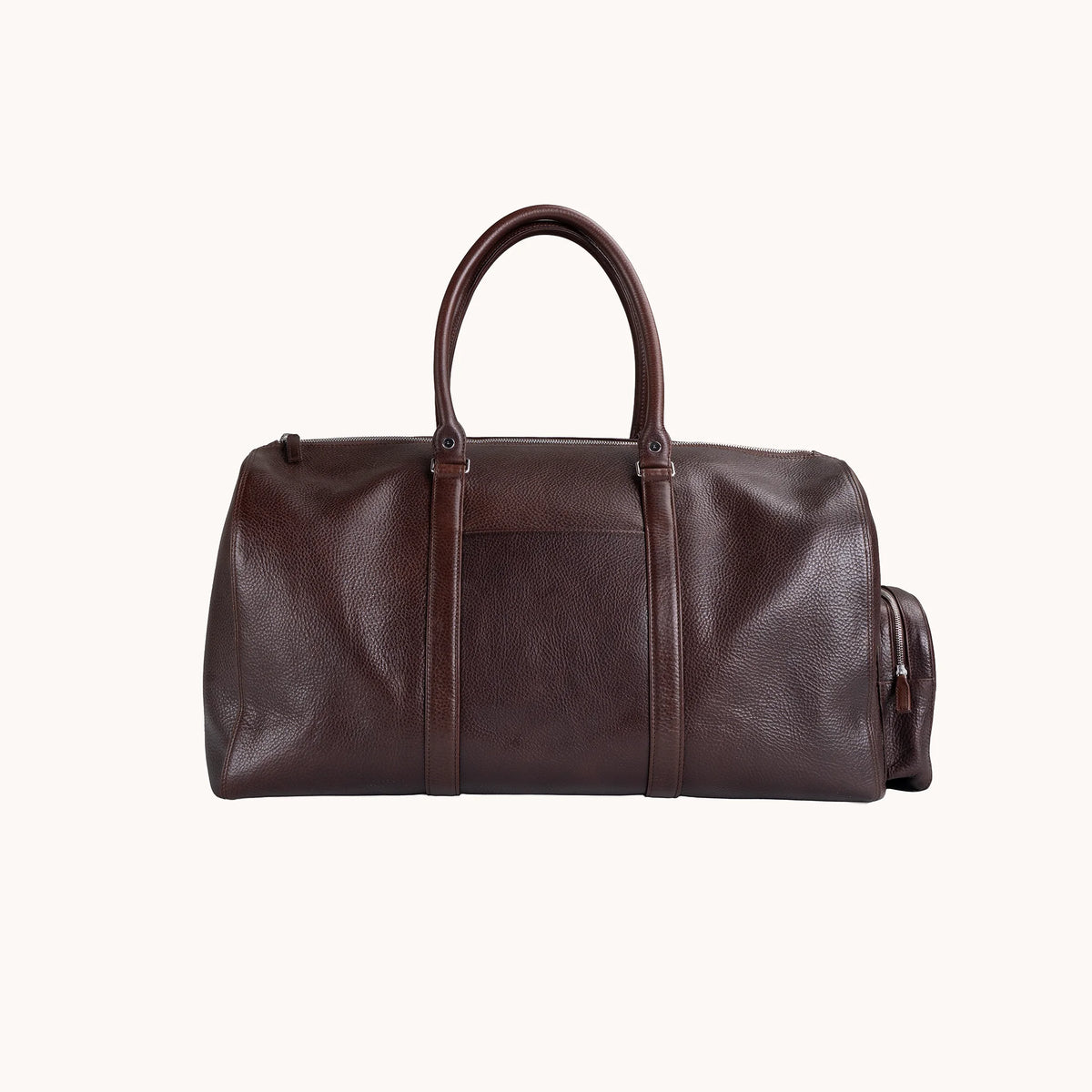
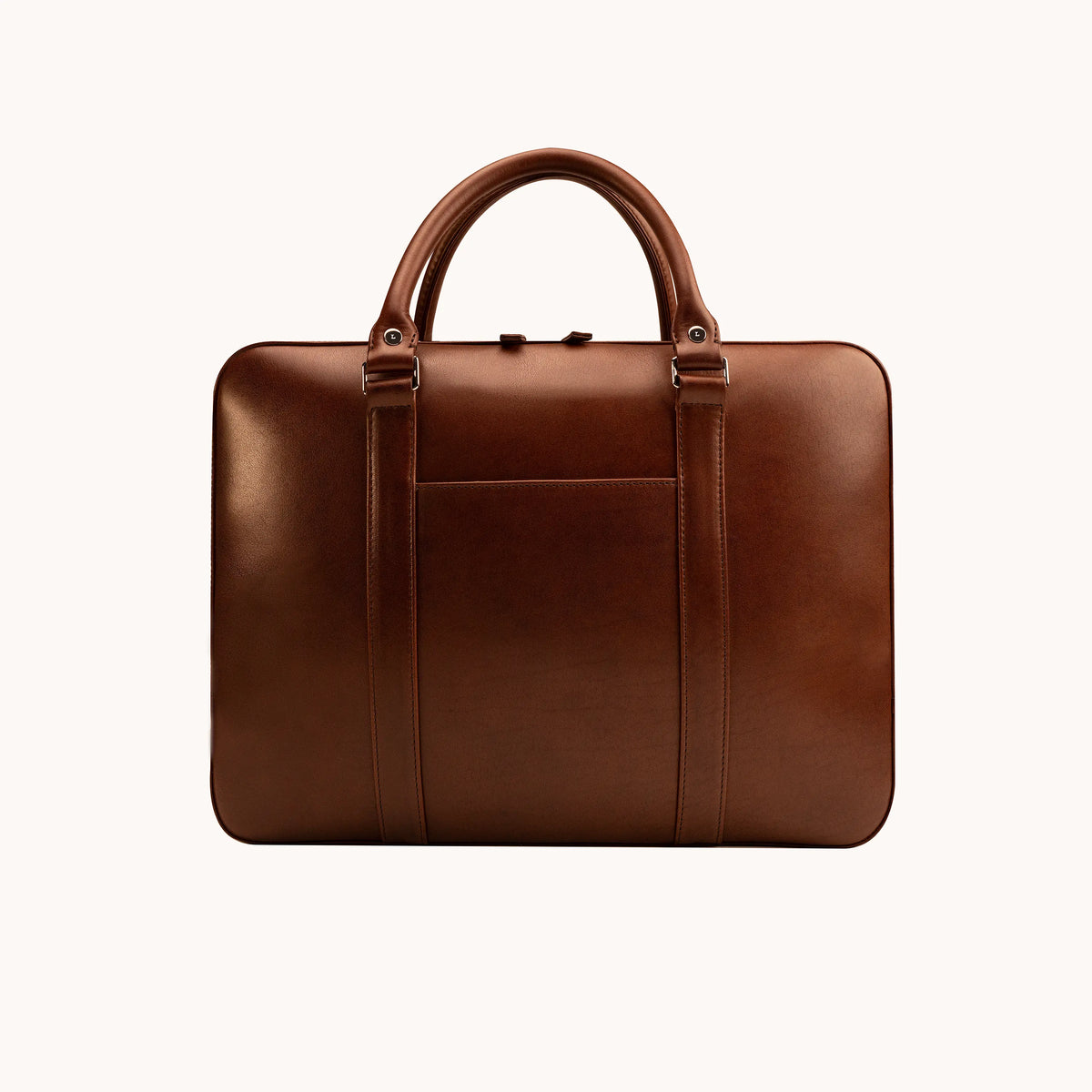
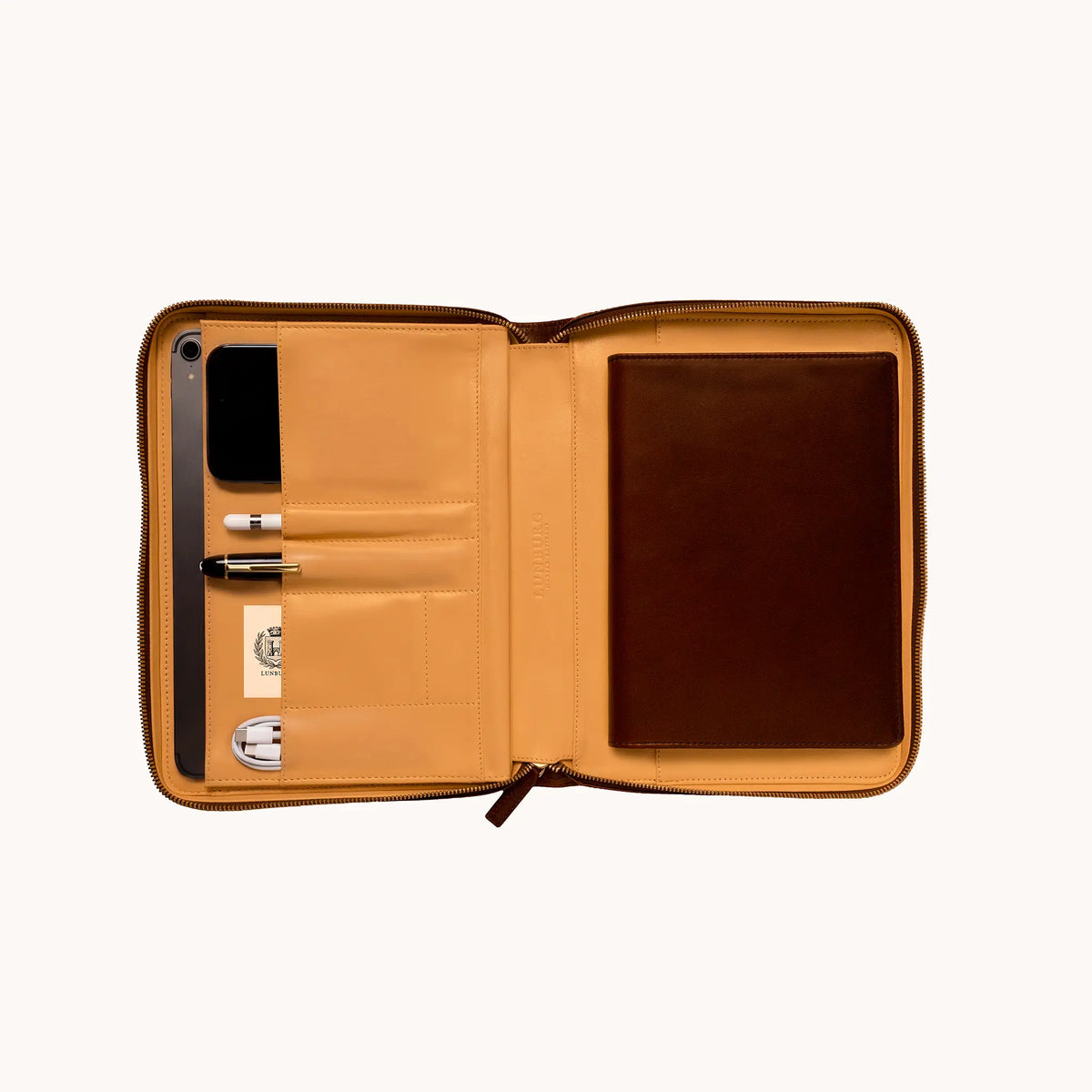
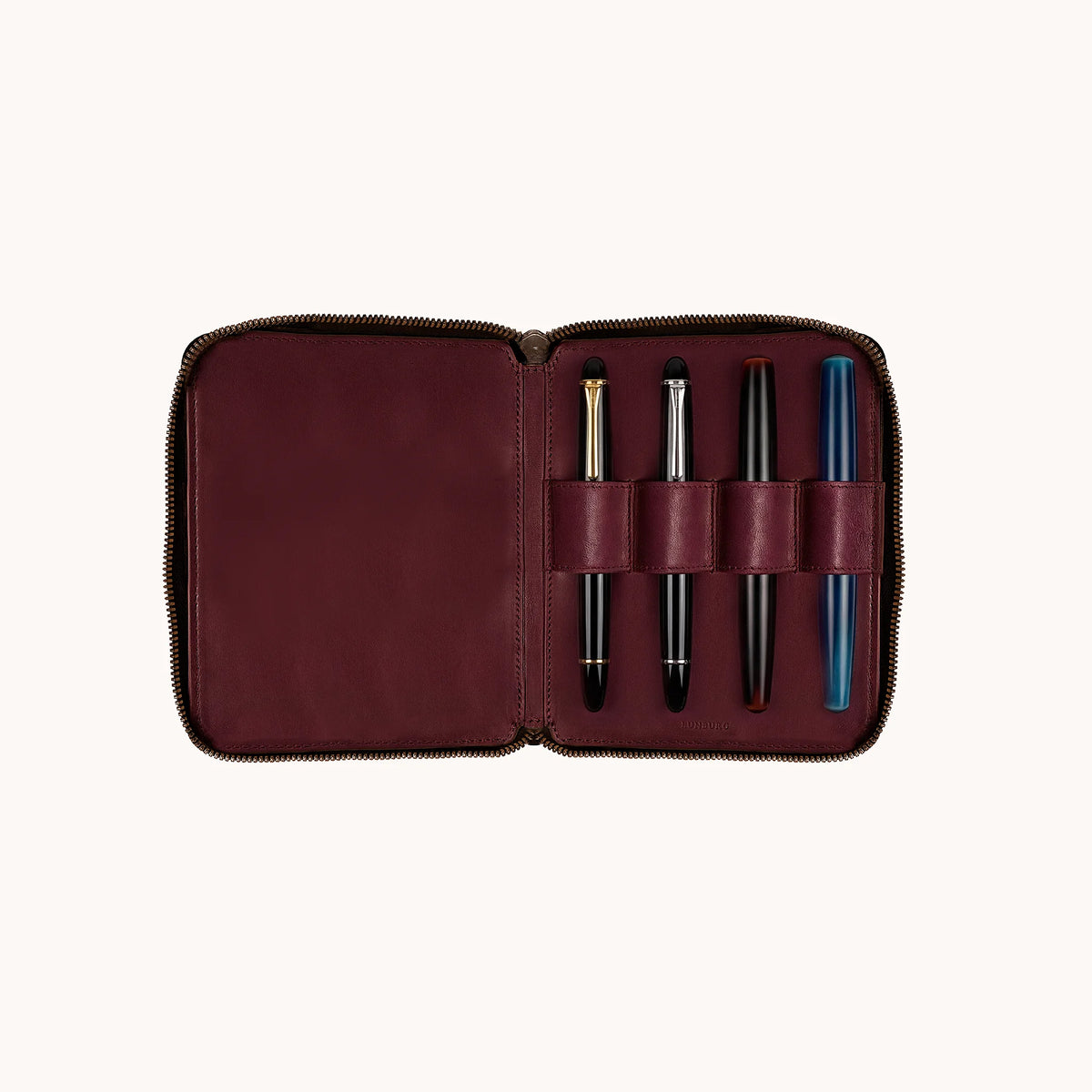
Explore our Folded Edge Creations
Part two: the care
Caring for Perpetual Leather comes down to three things.
1. Cleaning
Use a soft cloth, only extremely lightly moistened. Never wet the leather or clean it with water.
Use no saddle soap, and none of the popular leather-cleaning products sold online. We tested them all. The chemical ingredients in every one of them strip and deteriorate the natural wax content of Perpetual Leather. They must never be used.
2. Nourishing
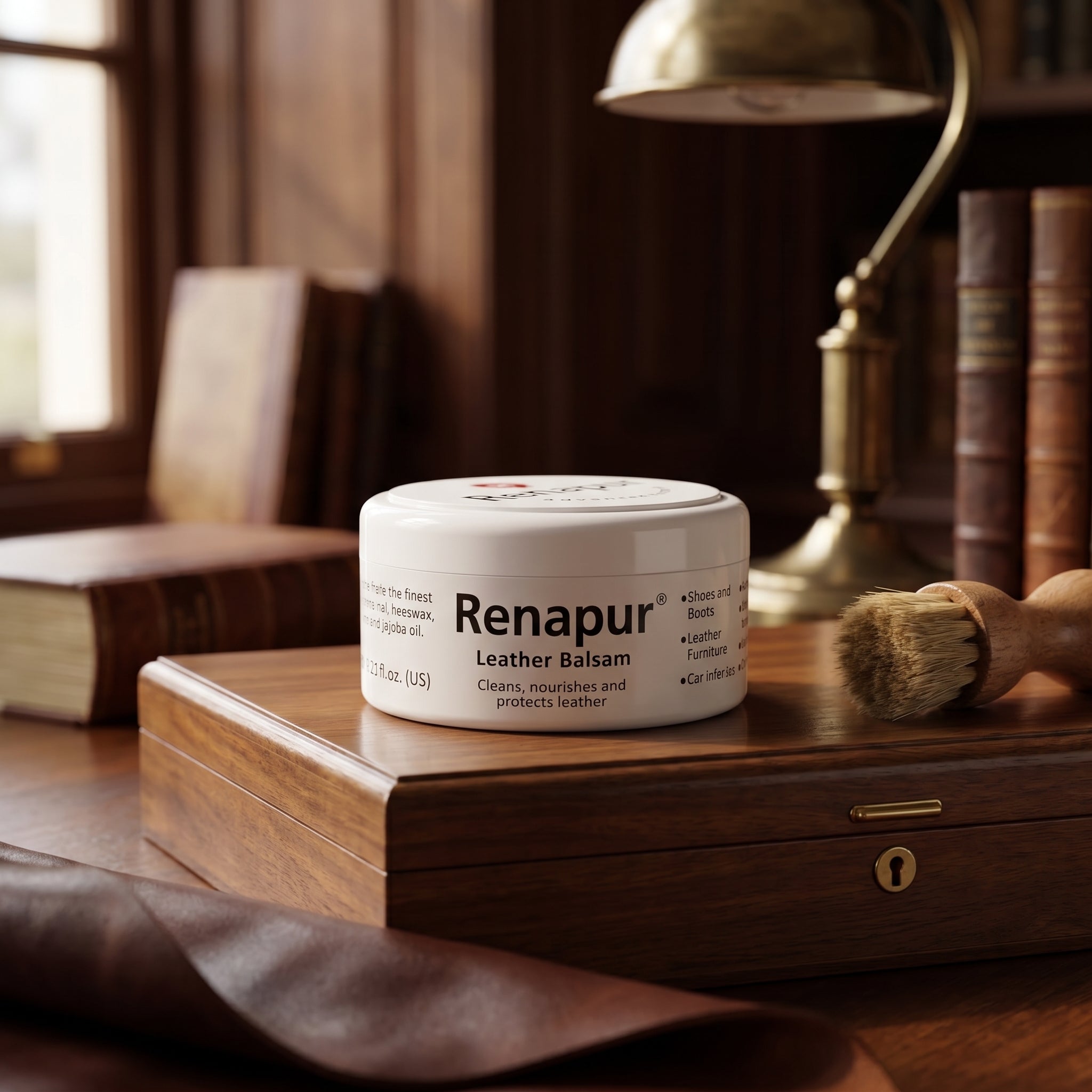
Feed the natural oils and waxes back into the fibres with the one product we found that truly works with this leather: Renapur wax.
We did not choose it lightly. We tested every leather-care product on the market, and we worked directly with the Tempesti tannery to understand the tanning process and what this leather actually needs. After that work, Renapur gave the best results. It is made from natural ingredients, and it:
- nourishes without darkening the leather,
- renews the natural wax layer,
- brings up a soft satin gloss,
- and restores the leather's natural water resistance.
3. Correcting scuffs and scratches
Rub the mark gently with Renapur and the sponge provided, working the natural wax and fibres back into place until the mark settles and disappears.
Explore our Folded Edge Creations